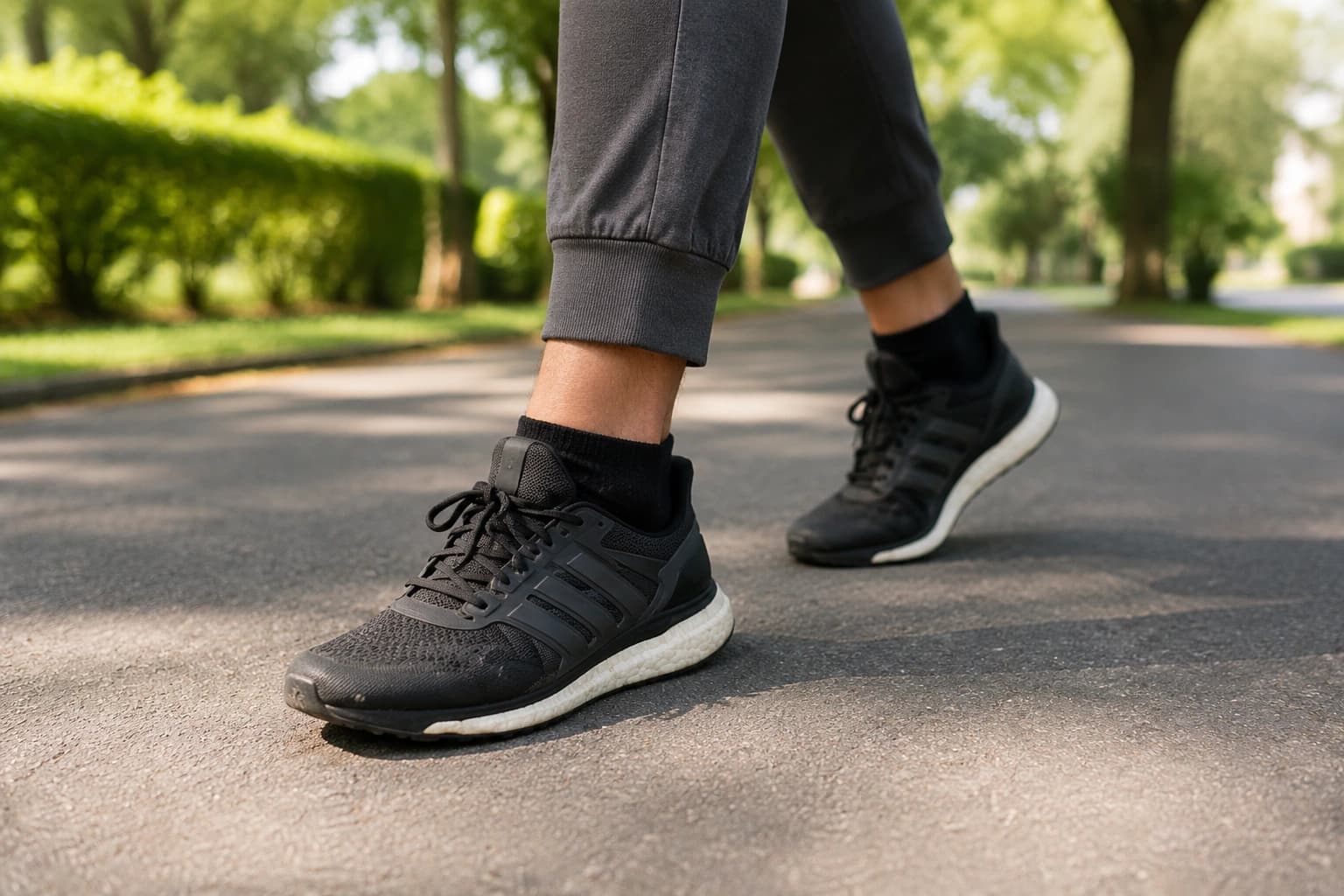
Best Shoes for Walking: Features You Should Check Before Buying
Introduction
The best shoes for walking are not defined by one fashionable design or the softest sole. They are the pair that fits securely, supports a natural stride and suits the surfaces and distances in your normal routine. A short neighbourhood walk, an all-day commute and a fitness walk place different demands on footwear. Options within Lakhani’s sports shoes collection can be compared by construction, fit and intended use rather than by appearance alone.
Start With Your Walking Routine
Estimate how long you walk, where you walk and whether the same pair must also work for travel or casual outings. Smooth indoor flooring, paved roads and uneven paths call for different outsole patterns and levels of coverage. If most use is casual rather than exercise-led, Lakhani sneakers may offer a versatile alternative. Difficult trails require more structured outdoor footwear and should not be treated like ordinary city walking.
Important Features in Walking Shoes
Secure heel fit: The heel should remain positioned without repeated lifting, rubbing or side-to-side movement. A stable rear fit helps the foot move with the shoe through repeated steps. Compare this feature with the expected duration, surface and pace of the routine. A useful specification should solve a real wear requirement and remain understandable to the buyer. Note where the footwear will spend most of its time and whether conditions change between the beginning and end of the day.
Natural forefoot flex: Walking shoes should bend near the ball of the foot rather than folding unpredictably through the middle. The sole still needs enough structure to avoid feeling unstable. Test the feature in motion whenever a product trial is available. A photograph or quick hand test cannot show how the complete shoe will feel during repeated steps. Pay attention to small changes in pressure, stability and foot position instead of judging comfort from softness alone.
Balanced cushioning: A comfortable midsole can reduce harshness during repeated contact, but very soft cushioning may not suit everyone. Assess the feel while walking instead of judging the material only with your fingers. Material, fit and construction should work together. One impressive component cannot correct a shoe that is unstable, poorly sized or unsuitable for the intended environment. Compare the complete pair across realistic movements and avoid isolating one technical term from the rest of the design.
Breathable upper: Ventilation can improve comfort during longer walks and warm-weather commuting. The upper must remain supportive enough to prevent the foot from sliding inside. Assess the feature against the most demanding regular use rather than an occasional ideal scenario. This keeps the decision practical and reduces reliance on unnecessary extras. If the activity involves a specialised hazard or sport, confirm whether general footwear is truly appropriate before proceeding.
Surface-appropriate tread: Look at outsole grooves and contact areas in relation to the floors and pavements you use most often. Mud, wet tiles and polished surfaces still require care even with visible tread. Review the current product specification and compare it with personal or workplace requirements. Performance can vary by model, size, surface, maintenance and the way footwear is used. Recheck the feature after fitting because a specification cannot compensate for a pair that moves incorrectly on the foot.
Choosing for Different Uses
Fitness walking: Prioritise secure lacing, predictable flexibility and cushioning that feels consistent over repeated forward steps. Plan around frequency, duration and the surfaces encountered. The right pair should remain appropriate through the normal routine rather than only during a brief try-on. Comfort and hold should stay predictable as the wearer becomes more active.
Commuting and travel: Choose a pair that remains comfortable across standing, stairs and mixed indoor-outdoor surfaces while coordinating with everyday clothing. Think through the whole day, including commuting, standing and changes between indoor and outdoor areas. Mixed environments can alter which features deserve priority. Clothing requirements may also influence the final balance of function and appearance.
Light outdoor routes: For uneven paths, review the Performance and Outdoor collection; demanding trails may be better served by hiking boots. When one pair must serve several situations, choose for the primary use first and confirm that the secondary uses do not demand a different category of footwear. This avoids expecting a casual design to perform a specialist job.
A Practical Walking-Shoe Fit Test
Wear the socks you normally use and lace both shoes evenly. Walk at your ordinary pace, then turn, stop and use a few steps if available. Check that the toes do not press into the front, the heel does not lift excessively and the sides do not pinch. The foot should not need to grip with the toes to keep the shoe in place. Comfort should be present from the first trial rather than expected after a painful break-in period.
Try both feet while standing and walk on a clean surface before deciding. One foot may be slightly larger than the other, and sock thickness can change the feel of the same size. The toes should have natural room, the heel should remain reasonably secure and the upper should not create sharp pressure. Avoid buying an uncomfortable pair on the assumption that every material will stretch substantially with wear.
Common Buying Mistakes to Avoid
Buying shoes that are too small: Feet may expand during longer walks, making an initially tight toe box increasingly uncomfortable.
Assuming maximum softness is best: Cushioning must work with stability; an overly soft platform may feel uncontrolled for some walkers.
Ignoring the walking surface: A smooth lifestyle sole may not provide the same contact pattern as footwear intended for active outdoor use.
Continuing with uneven wear: A worn heel or smooth outsole can change how the shoe contacts the ground and should be assessed promptly.
Care and Maintenance
After outdoor walking, remove grit from the outsole and brush loose dust from the upper. Use only material-appropriate cleaning products and avoid soaking footwear unless the care instructions permit it. Let the pair dry fully before the next long walk. Inspect the heel lining, laces, outsole edges and flex area because repeated walking can reveal wear in these locations first.
Remove loose dust and surface debris after use, then follow a cleaning method suitable for the upper and sole material. Allow damp footwear to dry naturally in a ventilated place. Strong direct heat, open flames and aggressive chemicals can affect shape, finish or bonding. Inspect soles, straps, laces and fastenings regularly, and replace footwear when wear begins to affect fit, grip, protection or stability.
Explore Relevant Lakhani Footwear
Lakhani offers sports shoes for active routines and sneakers for casual movement. The broader Performance and Outdoor footwear range allows comparison with more rugged choices. Select the category that reflects your main route, distance and expected level of support.
Conclusion
The best shoes for walking combine a secure fit, natural flex, suitable cushioning and tread matched to the route. Test the pair in motion, not only while sitting, and consider how your feet feel after longer periods. The right choice should make regular walking feel stable and uncomplicated without relying on unnecessary features.
Frequently Asked Questions
Q1. Are sports shoes suitable for daily walking?
Many general sports shoes can suit daily walking when their fit, cushioning and outsole match the wearer’s route. Check product use and comfort individually.
Q2. Can sneakers be used for walking?
Sneakers may work for casual and moderate walking. Longer fitness walks may benefit from footwear selected specifically for repeated active movement.
Q3. Should walking shoes be one size larger?
Do not follow a fixed rule. Measure both feet and choose the size and shape that provide toe room without heel slipping or instability.
Q4. How can I tell if walking shoes are worn out?
Look for smooth tread, uneven heel wear, compressed cushioning, torn lining, sole separation or a noticeable decline in stability and comfort.
Q5. Are hiking boots better for everyday walking?
Hiking boots are intended for rugged terrain and greater coverage. They may feel unnecessarily heavy or structured for ordinary paved routes.