Performance & Outdoor
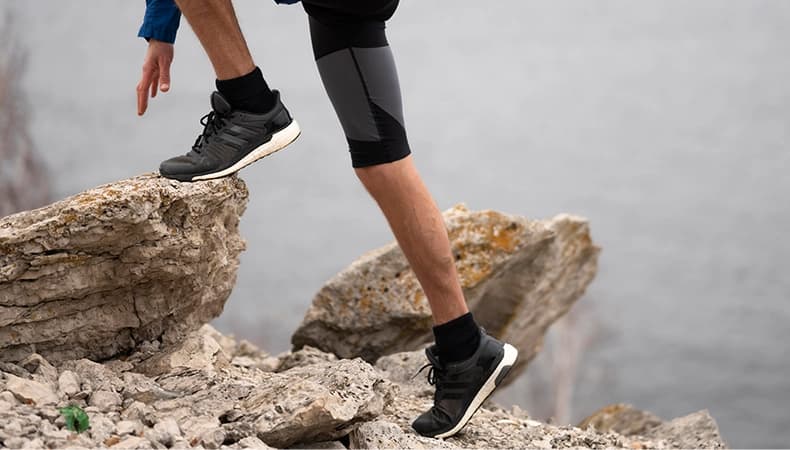
Built for those who move beyond limits, our footwear blends durability with all-day comfort. Designed to support every step, it adapts seamlessly to both rugged terrains and everyday adventures. Whether you're exploring the outdoors or pushing your performance, experience reliability, grip, and style crafted to keep you going further.
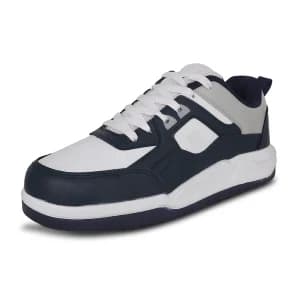
Performance & Outdoor Footwear
The right footwear depends on what you plan to do in it. A pair designed for everyday walking has very different requirements from footwear made for trekking, sports or an industrial workplace.
Lakhani’s Performance & Outdoor range brings together footwear for these different needs, including sports shoes, sneakers, hiking boots, safety shoes and Bond casual slip-on shoes.
Rather than choosing only by appearance, think about where the footwear will be used, how long you expect to wear it, the surface underfoot, the level of protection you need and, most importantly, how the pair fits.
Footwear for Active, Outdoor and Work Environments
There is no single type of performance footwear that works equally well everywhere.
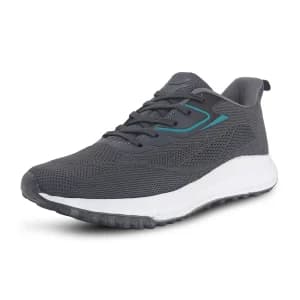
For regular exercise and active routines, sports shoes can provide the fit and movement required for everyday activity. Sneakers are more versatile for casual walking, travel and daily wear. Hiking boots are built around the needs of uneven outdoor terrain, while safety shoes focus on workplace protection.
For days when you want something more relaxed, Bond slip-on shoes offer a casual option for travel, outings and smart-casual dressing.
The key is to match the footwear to its primary purpose instead of expecting one pair to handle every situation.
Explore Lakhani Performance & Outdoor Footwear
The collection includes:
- Sports Shoes – for active routines and everyday fitness
- Sneakers – for casual wear, walking and travel
- Hiking Boots – for trekking-style routes and uneven outdoor surfaces
- Safety Shoes – for suitable industrial and workplace requirements
- Bond Casual Slip-On Shoes – for relaxed and smart-casual everyday wear
Available designs, colours, materials, sizes and specifications can vary between products, so it is worth reviewing the individual product details before making a choice.
Sports Shoes for Active Everyday Routines
Sports shoes make the most sense when movement is the priority.
Whether you are heading out for a walk, following a regular fitness routine or spending a large part of the day on your feet, start with fit. The shoe should hold the heel securely without squeezing the foot, while leaving enough room for the toes to move comfortably.
The outsole and cushioning also need to suit the type and intensity of activity. What feels comfortable for casual walking may not necessarily be suitable for more demanding training or a specialised sport.
If you are unsure what to look for, the guide on how to choose the right sports shoes for your daily activities explains the main factors worth checking before selecting a pair.
Sneakers for Walking, Travel and Everyday Wear
Sneakers are a versatile choice for routines that move between casual dressing and everyday activity.
They can work well for college, commuting, travel, relaxed workplaces and regular outings. A lace-up design also makes it easier to adjust the fit across the foot.
Depending on the style, sneakers may feature lightweight uppers, cushioned soles and athletic-inspired designs. They pair naturally with jeans, joggers, track pants and chinos, which makes them easy to use across different casual settings.
Fit still matters more than styling. Check that:
- there is comfortable space around the toes;
- the sides of the shoe do not squeeze the foot;
- the heel does not repeatedly lift while walking;
- the shoe bends comfortably with your natural movement.
Planning to use the pair mainly for walking? Read the detailed guide to the features you should check when choosing shoes for walking.
Sneakers for Travel
Travel days can involve considerably more walking than an ordinary routine. Airports, railway stations, sightseeing and long periods on your feet can quickly reveal a poor fit.
Wear a new pair during a few shorter outings before taking it on a full-day trip. This gives you a chance to notice heel movement, pressure around the toes or rubbing before you depend on the shoes for several hours.
For ordinary urban travel, sneakers may be enough. For trips involving rough trails, loose surfaces or extended trekking, hiking boots are generally the more appropriate category.
Hiking Boots for Trekking and Outdoor Trails
When the route moves away from paved surfaces, footwear requirements change.
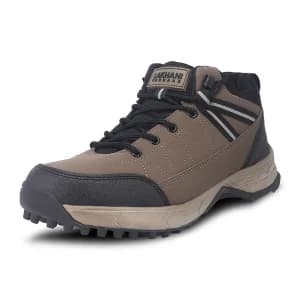
Lakhani hiking boots are intended for outdoor movement across uneven paths, rocky surfaces and trekking-style routes. Their high-cut construction provides more ankle coverage than conventional low-cut footwear.
The range features waterproof synthetic leather or suede uppers, high-traction rubber soles with deep lugs and supportive ankle collars.
Deep outsole lugs create a more pronounced tread pattern, helping the footwear maintain contact with loose soil, gravel and irregular terrain. A structured upper also provides greater coverage around the toes and sides of the foot.
The right hiking footwear should still be selected according to the route, expected weather and amount of walking involved. Technical climbing and mountaineering can require more specialised footwear.
For a more detailed pre-trek checklist, see the Hiking Boots Buying Guide: How to Choose the Right Pair for Trekking.
How Should Hiking Boots Fit?
A hiking boot should feel secure, but not tight.
Pay particular attention to three areas:
Toe room: Your toes need enough space to avoid hitting the front of the footwear, especially while walking downhill.
Heel position: The heel should stay reasonably secure instead of lifting excessively with each step.
Ankle comfort: The collar should provide coverage and support without rubbing or restricting natural movement.
Try the boots with the same type of socks you expect to wear outdoors. Thick trekking socks can noticeably change the fit.
It is also better to test a new pair during shorter walks before wearing it on a long trek.
Safety Shoes for Industrial Workplaces
Workplace footwear needs to be selected according to the actual hazards involved rather than appearance or general comfort alone.
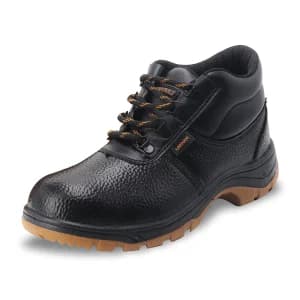
Lakhani safety shoes are designed for suitable industrial environments where reinforced foot protection may be required. Their construction includes a toughened leather upper, steel toe protection and a double-density PU sole.
According to the available product information, the steel toe cap is designed for 200-joule impact resistance. The upper is described as oil- and acid-resistant, while the sole includes anti-static and anti-penetration properties.
These features can make the footwear relevant to selected factories, workshops, warehouses, construction environments and fabrication workplaces.
However, no single safety shoe should automatically be assumed to suit every workplace hazard. Employers and workers should confirm the required protection category and applicable workplace safety requirements before selecting footwear.
For a broader explanation of what to check, read the Safety Shoes for Industrial Workers: Features, Uses and Selection Guide.
Understanding Steel Toe Protection
A steel toe safety shoe contains a rigid protective cap around the front of the foot. The reinforced area is intended to provide protection in workplaces where tools, equipment or materials may create an impact risk.
Fit is particularly important here.
Your toes should not press against the protective cap when standing or walking. Unlike a regular shoe upper, the reinforced toe area will not simply stretch to make a tight fit comfortable.
Safety footwear should also be inspected following a significant impact or when you notice:
- sole separation;
- punctures;
- serious exterior damage;
- excessive outsole wear;
- structural damage around the shoe.
If you are comparing different types of protective toe construction, the guide on steel toe vs composite toe safety shoes explains the distinction in more detail.
Anti-Static and Anti-Penetration Features
The double-density PU sole used in Lakhani safety shoes is described as anti-static. This is intended to help reduce static accumulation under appropriate workplace conditions.
Anti-static footwear should not, however, automatically be treated as electrically insulating footwear. Work involving electrical hazards may require a different footwear category and protection standard.
The anti-penetration feature is relevant in environments where sharp debris such as nails or metal pieces may be present underfoot.
As with the upper and toe protection, inspect the sole regularly. Footwear that is heavily worn, punctured or structurally damaged may no longer provide the protection expected from it.
Bond Casual Slip-On Shoes for Relaxed Everyday Wear
Not every pair in the Performance & Outdoor range needs to be highly technical.
Lakhani Bond shoes offer a casual slip-on option for travel, everyday outings and relaxed office dressing.
Their moccasin-inspired shape, visible toe stitching and lace-free construction give them a smarter appearance than a typical athletic shoe while remaining more relaxed than conventional formal footwear.
They can be paired with jeans, chinos, casual trousers and other smart-casual clothing.
Because a slip-on cannot be tightened with laces, heel and instep fit deserve extra attention. The shoe needs to hold the foot comfortably from the start without feeling either loose or restrictive.
Styling Bond Casual Shoes
Brown casual slip-ons work naturally with blue denim and a polo shirt for everyday dressing. Pairing them with beige or navy chinos and a casual full-sleeve shirt creates a slightly more polished look.
They may also work in workplaces with a business-casual dress code.
For occasions where the dress code is more traditional or formal, consider dedicated formal shoes instead.
How to Choose the Right Performance & Outdoor Footwear
Before comparing colours or designs, decide what the footwear actually needs to do.
1. Start With the Activity
For general fitness and active routines, explore sports shoes.
For casual movement, travel and everyday dressing, sneakers may be more versatile.
For trekking-style routes and uneven outdoor surfaces, choose hiking boots.
For industrial environments, use safety footwear only when its protection features match the workplace requirement.
For relaxed smart-casual dressing, Bond slip-ons may be the more suitable option.
2. Check the Size
The foot should sit naturally inside the footwear without repeatedly sliding forward.
There should also be enough room for the toes to move comfortably.
3. Pay Attention to Width
Two shoes with the same marked size can feel very different because of their shape and width.
The sides should hold the foot securely without creating pressure.
4. Check the Heel
In closed footwear, the heel should remain reasonably secure as you walk. Excessive movement can create rubbing and make the fit feel unstable.
5. Consider the Fastening
Laces let you adjust the fit across different parts of the foot.
Slip-on shoes do not offer the same adjustment, so getting the right initial fit becomes more important.
6. Match the Outsole to the Surface
Smooth indoor floors, city roads, rocky trails and industrial floors place very different demands on footwear.
Look at the outsole in the context of where you will actually wear the shoes.
7. Confirm the Required Protection
For industrial footwear, check the required:
- toe protection;
- penetration resistance;
- anti-static properties;
- sole requirements;
- applicable workplace safety category or standard.
Never select industrial safety footwear solely because it is described generally as a “safety shoe.”
Choosing Footwear for Different Activities
Walking
For regular walking, focus on secure fit, cushioning and footwear that feels comfortable through your natural walking motion.
Our guide to choosing the best shoes for walking covers these considerations in more detail.
Sports and Everyday Fitness
Choose sports shoes according to the activity and expected level of movement.
If you need help narrowing down the features, see how to choose the right sports shoes for daily activities.
Outdoor Trails
Choose hiking boots with a secure fit, rugged outsole and enough toe and ankle space for the route.
Industrial Work
Use safety shoes whose protective features correspond with the employer’s requirements and workplace risk assessment.
Travel
For city travel and casual sightseeing, sneakers or Bond slip-ons can be convenient choices depending on the amount of walking planned.
Outdoor-focused trips involving difficult terrain may require hiking footwear instead.
Cleaning and Maintaining Performance Footwear
Different materials require different care, so always consider the upper and sole construction of the individual product.
For everyday maintenance:
- remove loose dust using a soft cloth or suitable brush;
- clean sneaker uppers gently to avoid damaging the material;
- remove mud, stones and debris from hiking boots after outdoor use;
- inspect safety shoes for cuts, punctures, impact damage and sole separation;
- remove workplace oil or chemical residue according to appropriate procedures;
- clear dirt from outsole grooves where necessary.
If footwear becomes damp, allow it to dry naturally in a ventilated location.
Avoid placing shoes close to heaters, open flames or other sources of strong direct heat, as excessive heat may affect the upper, sole or bonding.
Explore Lakhani Footwear
The best pair is the one that matches what you actually need it to do.
Choose sports shoes for active routines, sneakers for versatile everyday movement, hiking boots for outdoor trails, safety shoes for suitable workplace requirements and Bond slip-ons for casual dressing.
You can also explore the complete Lakhani footwear range to compare other categories according to fit, purpose and personal style.
Helpful Footwear Buying Guides
Looking for more detailed advice before choosing a pair? These guides cover the most relevant topics for Performance & Outdoor footwear:
- Best Shoes for Walking: Features You Should Check Before Buying
- How to Choose the Right Sports Shoes for Your Daily Activities
- Hiking Boots Buying Guide: How to Choose the Right Pair for Trekking
- Safety Shoes for Industrial Workers: Features, Uses and Selection Guide
- Steel Toe vs Composite Toe Safety Shoes: What Is the Difference?
Frequently Asked Questions
What footwear is included in Lakhani’s Performance & Outdoor range?
The range includes sports shoes, sneakers, hiking boots, industrial safety shoes and Bond casual slip-on shoes.
Which footwear is suitable for walking?
Sports shoes or sneakers may suit everyday walking depending on the design, fit and amount of activity. Check cushioning, heel fit, toe room and how comfortably the footwear moves with your foot.
What is the difference between sports shoes and sneakers?
Sports shoes are more closely associated with active routines and physical movement, while sneakers are generally versatile enough for casual dressing, travel and everyday walking. Individual product specifications should still be checked before choosing either category for a particular activity.
Which footwear should I choose for trekking?
Hiking boots are the most relevant category for trekking-style routes and uneven outdoor paths. Choose the pair according to the terrain, weather, fit and duration of the trek.
How should hiking boots fit?
They should feel secure without excessive pressure. The toes need enough room, the heel should remain reasonably stable and the ankle collar should not rub or restrict natural movement.
Are Lakhani safety shoes steel toe shoes?
Yes. The available product information states that Lakhani safety shoes include a steel toe cap designed for 200-joule impact resistance.
Are safety shoes suitable for every industrial workplace?
No. The footwear needs to match the protection category, workplace hazards and requirements specified by the employer.
Are anti-static safety shoes electrically insulating?
Not necessarily. Anti-static footwear and footwear designed for electrical insulation are not the same thing. Work involving electrical hazards may require a different footwear category.
What are Bond shoes?
Bond shoes are casual lace-free slip-on shoes with a moccasin-inspired design. They can be considered for travel, casual outings and selected smart-casual settings.
How should performance and outdoor footwear be cleaned?
Remove surface dirt using a cleaning method appropriate for the shoe material. Clear debris from the outsole and allow damp footwear to dry naturally away from strong direct heat.