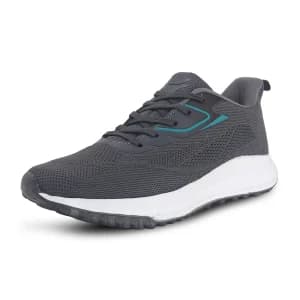
Footwear for Men, Women and Kids
Different routines need different footwear. A pair chosen for office wear has different requirements from shoes used for workouts, school, trekking or relaxed everyday use. Lakhani brings these choices together across its Performance & Outdoor, Formal & Institutional and Casual & Open Footwear collections.
The right pair should start with the activity rather than appearance alone. Think about how long the footwear will be worn, where it will be used, how securely it needs to hold the foot and whether you need an open, closed, lace-up or slip-on design.
Across the Lakhani range, footwear is available for men, women and children, with individual styles covering professional dressing, active routines, school, travel, casual wear and selected outdoor or workplace requirements.
Explore Lakhani Footwear by Use
A large footwear collection becomes easier to navigate when you begin with what you need the pair to do.
Performance and Outdoor Footwear
For active routines and outdoor movement, the Lakhani range includes sports shoes, sneakers, hiking boots and selected safety footwear.
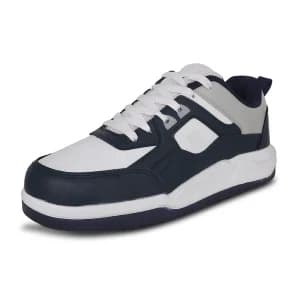
Sports shoes are intended for active everyday movement, workouts and similar routines, depending on the individual model. Sneakers provide a more casual option that can move easily between commuting, college, travel and everyday walking.
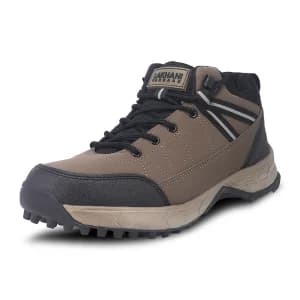
For uneven outdoor routes and trekking-style movement, hiking boots provide greater coverage and a more specialised outsole than casual shoes or sandals.
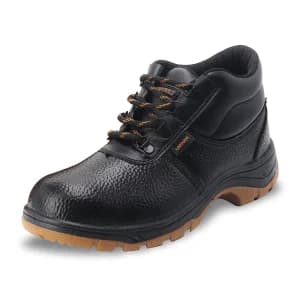
Safety footwear serves a different purpose altogether. It should be selected according to the actual workplace hazards and required protection rather than simply because the shoe looks rugged.
Formal and Institutional Footwear
Professional and institutional requirements include formal shoes, loafers, school shoes and ballerina-style footwear.
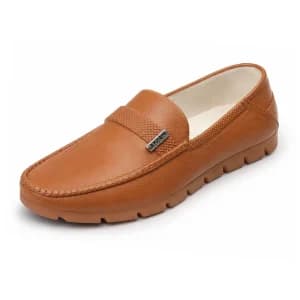
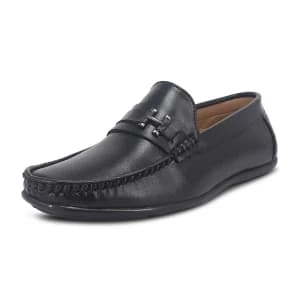
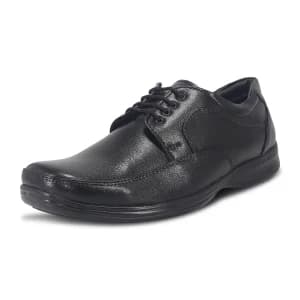
Traditional formal shoes suit offices, interviews, meetings and occasions where polished dressing is expected. Loafers provide a lace-free alternative that works naturally across business-casual and smart-casual settings.
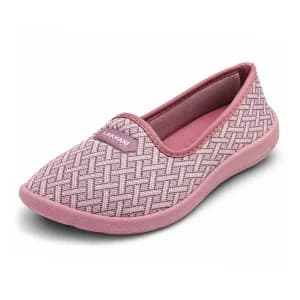
School footwear needs to prioritise uniform requirements, correct sizing and practical everyday use. For women, ballerina shoes provide a lightweight closed-toe option for casual routines, college, travel and selected workplace settings.
Casual and Open Footwear
For home routines, warmer weather, travel and relaxed daily use, open footwear can be more convenient than a fully enclosed shoe.
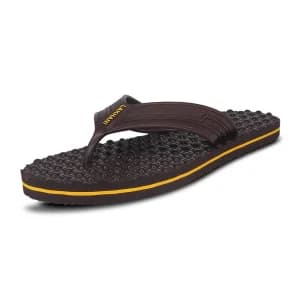
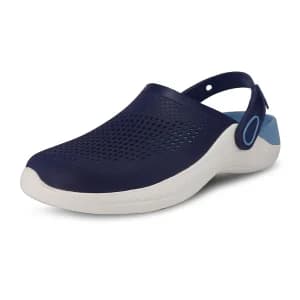
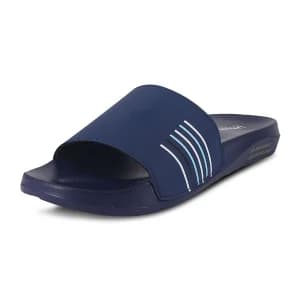
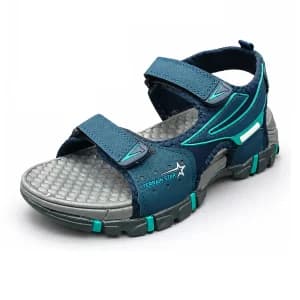
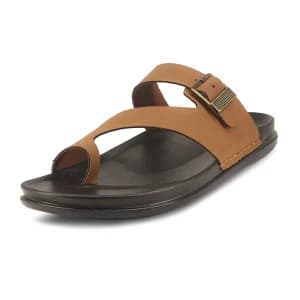
The Lakhani casual range includes sandals, slippers, sliders, Hawai chappal, EVA footwear and clogs. These styles differ in the amount of coverage and foot retention they provide, so the best choice depends on how and where the pair will be worn.
Shoes for Men
Lakhani footwear for men covers professional, active, casual and outdoor requirements.
For office routines, formal shoes remain the traditional choice. Black works naturally with grey, charcoal, navy and other conventional workwear colours, while brown can fit comfortably into business-casual wardrobes.
Loafers offer a more relaxed alternative for men who prefer slip-on footwear. Because they do not have laces, heel and instep fit become especially important.
For everyday casual dressing, sneakers can work with jeans, chinos, joggers and similar clothing. They are useful when you want a shoe that feels less formal but still provides more coverage than sandals or slippers.
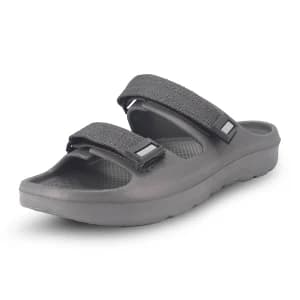
Open footwear such as sandals, sliders and slippers is better suited to relaxed settings, especially when convenience and airflow matter more than formal presentation.
Footwear for Women
Women’s footwear in the Lakhani range includes closed casual styles, sports-oriented options and lightweight flats.
Ballerina shoes, also commonly called belly shoes, offer a simple closed-toe profile that can work with jeans, trousers, dresses, skirts and casual ethnic wear.
They are especially useful when you want something lighter than a structured formal shoe but more covered than sandals or slippers.
When selecting women’s footwear, do not rely on the marked size alone. Toe shape, width and heel fit can make two pairs in the same numerical size feel very different.
The shoe should hold the foot comfortably without creating pressure around the front, sides or heel.
School Shoes for Kids
School footwear is worn for long stretches of the day, so fit deserves particular attention.
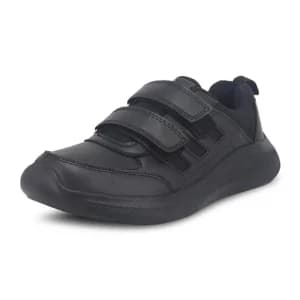
Lakhani school shoes are designed around regular uniform use and day-to-day school routines. Depending on the model, the range may include easy-clean synthetic or PVC uppers, injection-moulded soles and convenient fastening options.
Parents should check both feet because one may be slightly larger than the other. Shoes should be tried with the same type of socks the child normally wears to school.
There should be enough room for the toes to rest naturally, while the heel should stay reasonably secure during walking.
Children’s feet also change as they grow, so fit should be reviewed periodically rather than assuming a pair will remain suitable for the entire school year.
For a more detailed checklist, see Lakhani’s guide on how to choose the right school shoes for children.
Sports Shoes for Active Routines
Sports shoes should be selected according to the activity they will actually be used for.
Depending on the Lakhani model, features may include breathable mesh uppers, reinforcement around selected areas, EVA or Phylon soles and cushioned insoles.
Fit is just as important as materials.
Check whether the toes have enough room, whether the heel remains secure and whether the shoe feels comfortable across the width of the foot.
The sole should also feel appropriate during normal movement rather than excessively rigid or unstable.
A shoe that works well for walking and general workouts may not automatically be appropriate for competitive running or a specialised sport.
For broader guidance, read how to choose the right sports shoes for your daily activities.
Sneakers for Everyday Walking and Casual Wear
Sneakers are among the most versatile closed-footwear options in an everyday wardrobe.
They can work across commuting, college, travel, casual workplaces and weekend outings while pairing naturally with jeans, chinos and joggers.
If walking is the main reason you are buying the pair, pay attention to more than appearance.
Check cushioning, heel stability, toe room and how the sole feels through your normal walking motion.
A comfortable-looking shoe is not automatically a good walking shoe for every foot, so trying the pair and considering the intended distance remains important.
Formal Shoes and Loafers for Work
Professional footwear should match both the dress code and the amount of time you expect to spend wearing it.
Formal lace-up shoes offer a traditional office appearance and allow the fit to be adjusted across the upper.
Loafers provide easier slip-on wear and can work well in business-casual environments, but they need to fit correctly from the beginning because there are no laces to compensate for excessive looseness.
For anyone deciding between the two, Lakhani’s guide to loafers vs formal lace-up shoes explains the practical differences in more detail.
Whichever style you choose, the toes should not feel compressed and the heel should not repeatedly slip while walking.
Sandals, Slippers and Open Footwear
Open footwear covers several different constructions, and each offers a different level of hold.
Sandals with forefoot and ankle straps generally provide more foot retention than simple slippers. They can be useful for casual travel, warm weather and light outdoor routines.
Sliders use a broad strap across the forefoot and leave both the heel and toes open. They are especially convenient for home use, holidays, poolside settings and relaxed post-workout wear.
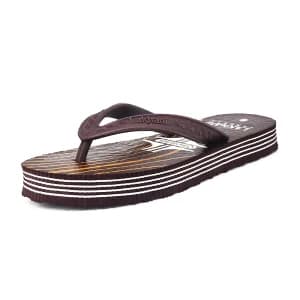
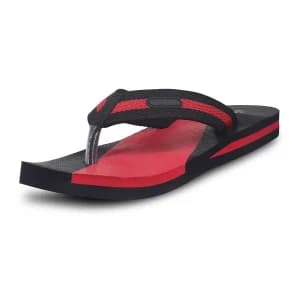
Toe-post slippers and Hawai chappal offer an even simpler construction for short-duration casual use.
EVA clogs sit somewhere between open and closed footwear. Their front provides more coverage, while ventilation openings and a movable heel strap keep the design easy to wear.
Choose between these styles according to fit and intended use rather than assuming all open footwear performs in the same way.
Hiking Boots for Outdoor Routes
Trekking and uneven terrain require different footwear from everyday streets or indoor environments.
Lakhani hiking boots are designed for trail and trekking-style movement, with features in the range such as synthetic leather or suede uppers, traction-focused rubber soles and supportive ankle collars.
When trying hiking boots, wear the type of socks you expect to use outdoors.
Make sure the toes have room to move and that the heel does not lift excessively with each step.
The ankle area should feel secure without rubbing.
For a more detailed selection process, read the hiking boots buying guide.
Technical climbing or mountaineering may require footwear beyond the intended scope of everyday trekking boots.
Safety Shoes for Industrial Work
Safety footwear should always be selected according to the work environment.
Lakhani safety footwear includes models with protective features such as toughened leather uppers, steel toe protection, anti-penetration construction and double-density PU soles.
The presence of protective features does not mean every safety shoe is suitable for every workplace.
The correct model depends on the hazards involved, the level of protection required and the relevant workplace requirements.
Casual shoes, sandals or hiking footwear should never be treated as substitutes where certified protective footwear is required.
How to Choose the Right Footwear
Rather than beginning with colour or style, start with purpose.
Match the Shoe to the Activity
For workouts and active movement, look at sports footwear.
For casual walking and daily dressing, sneakers may be more appropriate.
For professional environments, choose between formal shoes and loafers according to the dress code.
For school, prioritise uniform compliance and a secure fit.
For warm-weather home and casual use, sandals, slippers or sliders may be more practical.
For trekking, use footwear designed for outdoor terrain.
For industrial work, select safety footwear according to workplace requirements.
Check Toe Space
Your toes should sit naturally.
In closed shoes, they should not press against the front. In open footwear, they should remain within the edges of the sole rather than hanging beyond it.
Check the Width
The sides of the foot should not feel excessively compressed.
People with wider feet should consider the actual shape of the shoe or footbed rather than simply choosing a longer size.
Check the Heel
Closed shoes should hold the heel reasonably securely.
In sandals and slippers, the heel should stay positioned within the footbed during normal movement.
Check the Fastening
Laces and adjustable straps allow some control over fit.
Slip-on footwear offers less adjustment, which means the size and shape need to suit the foot from the start.
Choosing Footwear for Walking
Walking footwear needs to work with the way your foot moves repeatedly over time.
A pair used for occasional short errands may feel completely different when worn for a much longer walk.
Look at toe room, cushioning, heel stability and how naturally the sole moves during your stride.
If walking is the main reason for the purchase, Lakhani’s guide to the features to check before buying walking shoes provides a more focused checklist.
For rough or uneven outdoor walking, the requirements can change again, which is why intended use should always come before styling.
Basic Footwear Care
Different materials need different cleaning methods, so follow the instructions appropriate for the individual pair.
As a general routine, remove loose dirt after wear rather than allowing it to build up.
Clean the upper using a method suitable for its material and clear dirt from the outsole grooves when necessary.
If footwear becomes damp, allow it to dry naturally in a ventilated area.
Avoid placing shoes or slippers next to heaters, open flames or other strong sources of direct heat, as excessive heat may affect shape, surface materials or bonding.
Periodically inspect straps, laces, fastening points and soles, particularly on footwear that is worn frequently.
Find the Right Lakhani Footwear for Your Routine
The most useful footwear is not necessarily the pair with the most features. It is the pair whose construction, fit and intended use match your routine.
Someone buying for office wear will have different priorities from a student, a recreational walker, a traveller or someone working in an industrial environment.
Start by identifying where you will wear the footwear most often. Then compare coverage, fastening, materials, sole design and fit.
This approach makes it easier to narrow a broad footwear range without choosing a product simply because it belongs to a familiar category.
Frequently Asked Questions
1. What types of footwear does Lakhani offer?
The Lakhani range includes sports shoes, sneakers, formal shoes, loafers, school shoes, sandals, slippers, sliders, EVA clogs, hiking boots, safety footwear and ballerina-style shoes.
2. Does Lakhani offer footwear for men, women and kids?
Yes. The range covers men’s, women’s and children’s footwear, although individual designs, sizes, colours and availability vary by product.
3. Which Lakhani footwear is suitable for walking?
Sports shoes and sneakers may suit everyday walking depending on the individual model, fit and cushioning. Longer or more demanding walks may require more specialised footwear.
4. Which footwear is suitable for office wear?
Formal shoes are the traditional option for professional environments, while loafers can work well in many business-casual workplaces.
5. Does Lakhani offer school shoes?
Yes. Lakhani offers school footwear intended for regular uniform use. Parents should confirm the school dress code and check the child’s fit carefully.
6. What is the difference between sliders and flip flops?
Sliders generally use one broad strap across the forefoot without a toe post. Flip flops typically use a V-shaped strap connected between the toes.
7. Are sandals suitable for everyday use?
They can be suitable for casual outings, warm weather and travel when the design, fit and sole match the intended activity.
8. Does Lakhani offer hiking footwear?
Yes. The range includes hiking boots for trekking-style movement and uneven outdoor terrain. More technical activities may require specialised footwear.
9. How should footwear fit?
Closed shoes should provide adequate toe room, comfortable width and secure heel positioning. With open footwear, the toes and heel should remain within the footbed.
10. How should Lakhani footwear be cleaned?
Cleaning depends on the material. Remove loose dirt, use an appropriate mild cleaning method and allow damp footwear to dry naturally away from strong direct heat.