Eva
EVA Footwear for Everyday Comfort
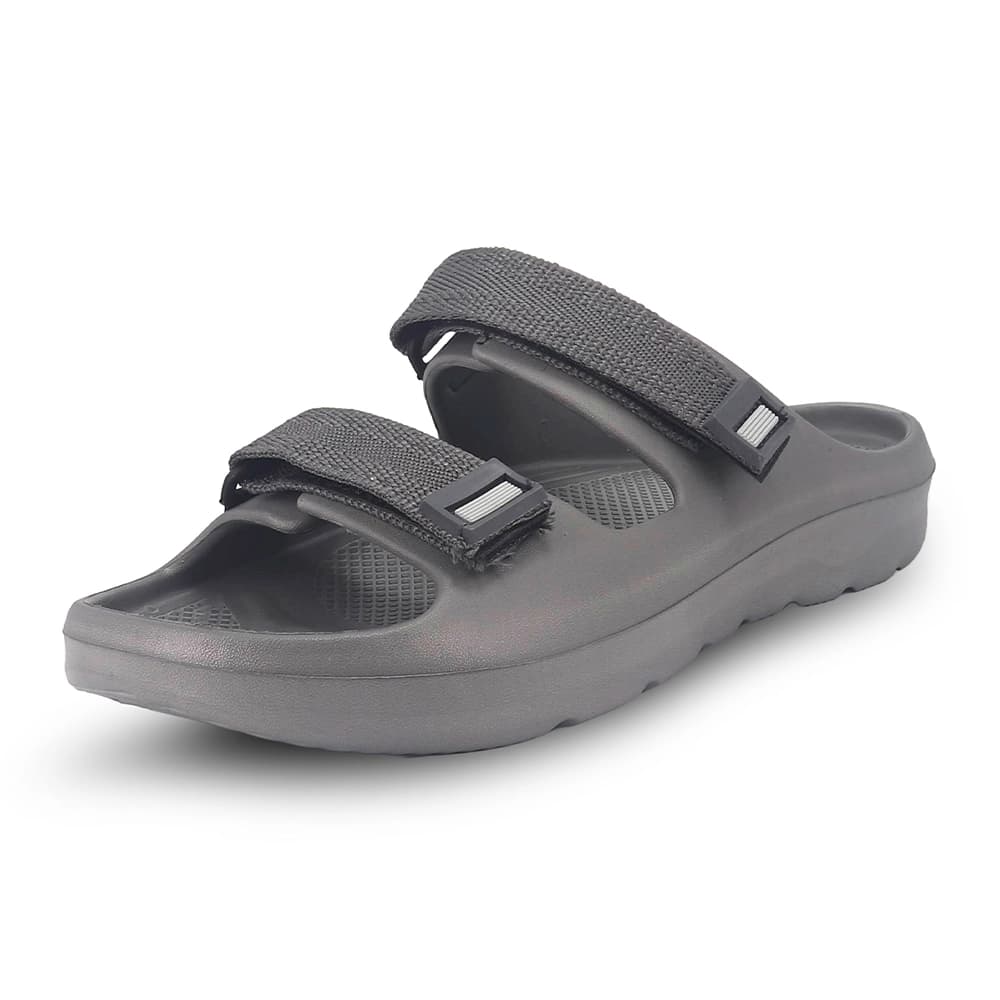
Lakhani EVA sandals are designed for simple, easy-going everyday wear. With an open-toe construction, a moulded base and two broad adjustable straps, they offer a practical footwear option for home routines, casual outings, travel and other relaxed daily activities.
The design keeps things straightforward. There are no laces to tie, and the open structure makes the footwear quick to put on when you are heading out for a short errand, moving around the house or looking for something convenient to wear during the day.
The neutral grey finish also makes the sandals easy to coordinate with everyday clothing. They can be worn with shorts, track pants, casual trousers, lounge wear and other relaxed outfits without drawing too much attention away from the rest of the look.
For people who prefer open footwear with more adjustability than a basic slide, the dual-strap construction provides a useful middle ground.
Why Choose Lakhani EVA Sandals?
Everyday open footwear needs to be easy to wear, simple to maintain and versatile enough for different parts of the day. The design of these EVA sandals focuses on those practical requirements.
Dual Adjustable Straps
The upper features two broad straps across the foot.
Each strap can be adjusted to help accommodate different foot shapes and wearing preferences. This is particularly useful in open footwear, where a more secure fit can make the sandal feel easier to wear during normal movement.
The wider strap profile also gives the footwear a clean and balanced appearance rather than the minimal feel of a single-band slider.
Open-Toe Construction
The open front keeps the toes uncovered and gives the sandal a relaxed look suited to casual wear.
This type of construction works naturally for home use, short outings and warm-weather routines where heavily enclosed footwear may not be necessary.
The open design also makes the footwear easy to pair with shorts, track pants, casual bottoms and other everyday clothing.
Moulded Footbed Design
The sandal uses a one-piece-style moulded base with a shaped footbed.
The raised edges and contoured interior help create a defined space for the foot, while the textured areas visible inside the footbed add practical surface detail.
Because comfort depends heavily on individual foot shape and size, it is important to select a pair that allows the foot to sit naturally without extending beyond the front or sides.
Easy Slip-On Wear
One of the main benefits of this style is convenience.
The sandals can be worn quickly without dealing with laces, buckles or a fully enclosed upper. Once the straps have been adjusted to your preferred fit, they can be a simple option for regular everyday use.
This makes them useful for quick errands, home routines, casual travel and other situations where easy footwear is preferred.
EVA Open Footwear for Daily Use
Open footwear often becomes part of the everyday routine because it is convenient to keep near the door and quick to wear.
Lakhani EVA sandals can work well for relaxed day-to-day situations where formal shoes, sneakers or other enclosed footwear would be unnecessary.
They may be considered for:
- Home and everyday routines
- Short neighbourhood outings
- Casual shopping trips
- Relaxed travel
- Holiday wear
- Hostel or campus routines
- Informal social plans
- General casual use
The simple grey design also helps the footwear work across different age groups and casual wardrobes.
For customers comparing different types of relaxed footwear, Lakhani’s casual and open footwear collection includes other open styles for everyday use.
Adjustable Sandals for a More Personal Fit
Not every foot has the same width or shape. This is one reason adjustable straps can be useful in casual footwear.
The two straps on these sandals can be positioned according to how firmly you want the upper to sit over the foot.
A strap that is too tight may create unnecessary pressure, while one that is too loose may allow excessive movement. The aim is to find a setting that holds the foot comfortably without digging into the skin.
When trying the sandals, check both feet rather than adjusting only one side. Small differences between the left and right foot are common, so the straps may need slightly different positioning.
Walk a few steps and make sure the foot remains centred within the moulded base.
EVA Sandals for Home and Casual Outings
A practical everyday sandal should be able to move easily between home and casual outdoor use.
At home, the slip-on construction makes the footwear convenient for regular movement around indoor and outdoor areas.
For short trips outside, the broader straps give the design a more structured appearance than basic flip-flops.
Pair the sandals with:
- Shorts and a T-shirt
- Track pants and casual tops
- Lounge wear
- Casual cotton trousers
- Joggers
- Relaxed travel outfits
The muted grey colour is particularly easy to combine with black, navy, white, beige, olive and other common casual shades.
EVA Sandals vs Sliders
Both sandals and sliders are designed for convenient open-footwear use, but the upper construction can create a different wearing experience.
A conventional slider usually uses a single broad upper band. This keeps the design minimal and makes the footwear very quick to put on.
These EVA sandals use two separate adjustable straps instead. The additional adjustment may be useful for people who prefer more control over how the upper fits across the foot.
If you prefer a simpler one-band design, explore Lakhani sliders as another everyday option.
Neither style is automatically better for everyone. The right choice depends on your preferred fit, styling and everyday routine.
EVA Sandals vs Traditional Sandals
Traditional sandals can include a wide range of constructions, from multi-strap casual designs to styles with back straps or more structured uppers.
This EVA design keeps the structure comparatively simple, using an open back, open toe and two adjustable upper straps.
That makes it useful for people who want something uncomplicated for daily casual wear.
If you want to compare different open-footwear shapes and styling options, you can also browse Lakhani sandals.
How Should EVA Sandals Fit?
Correct fit matters even with relaxed open footwear.
The heel should sit inside the rear edge of the footbed rather than extending beyond it. At the front, your toes should remain comfortably within the base without hanging over the edge.
The sides of the foot should also sit naturally within the sandal.
Check the Length
There should be enough space for the foot to rest naturally from heel to toe.
A sandal that is too short may leave the heel or toes extending past the base, while one that is too long can feel awkward during walking.
Adjust Both Straps
Set the straps so they sit comfortably over the foot without excessive pressure.
The foot should not move heavily from side to side, but the straps should not feel restrictive.
Walk Before Deciding
Take several normal steps on a clean surface.
Check whether the heel remains positioned correctly, whether the foot moves excessively and whether either strap rubs against the skin.
Fit should feel stable without making the footwear unnecessarily tight.
How to Style EVA Sandals
The uncomplicated shape makes these sandals easy to include in a casual wardrobe.
For home and relaxed use, wear them with shorts, lounge wear or track pants.
For a quick outing, combine the sandals with joggers or casual trousers and a simple T-shirt or polo.
During travel, they can be paired with lightweight trousers, shorts or other comfortable clothing.
The grey colour allows the footwear to work naturally with both darker and lighter outfits, making it a flexible option if you prefer neutral footwear.
Because the design is distinctly casual, it is better suited to relaxed environments than formal offices or dress-heavy occasions.
EVA Sandals for Travel
Easy-to-remove footwear can be useful during travel, particularly during relaxed journeys and stays where convenience matters.
The slip-on structure means you do not need to repeatedly tie laces or manage complicated fastenings.
The adjustable straps can also be useful when you want to change the fit slightly during different parts of the day.
These sandals may be practical for hotel stays, holiday routines, short outings or relaxed travel days.
For extensive walking, trekking or uneven terrain, footwear specifically designed for those activities would be more appropriate. Lakhani also offers hiking boots and sports shoes for more activity-focused requirements.
How to Clean EVA Sandals
Keeping everyday sandals clean does not need to be complicated.
Start by removing loose dust and surface dirt with a soft cloth or brush.
For normal cleaning, wipe the moulded areas gently with a damp cloth. Pay attention to the footbed, edges and sole where dust can collect during regular use.
The straps should also be cleaned carefully rather than scrubbed aggressively, particularly around the fastening areas.
Avoid using sharp tools or highly abrasive brushes that may damage the surface.
After cleaning, allow the footwear to dry naturally in a ventilated place.
Strong direct heat should be avoided, as unnecessary heat exposure may affect the shape or finish of footwear materials.
How to Store EVA Sandals
When the sandals are not being used, keep them in a dry and ventilated place.
Avoid leaving them underneath heavy objects that could press down on the straps or distort the shape.
It is also better not to store footwear directly beside heaters or other strong heat sources.
For regular daily pairs, occasional cleaning before storage can prevent dirt from building up around the footbed, strap edges and outsole.
Simple care can help keep the sandals looking presentable throughout regular use.
Who Are EVA Sandals Suitable For?
These sandals can suit people who prefer uncomplicated open footwear for everyday routines.
They are particularly relevant for those who like:
- Slip-on convenience
- Adjustable upper straps
- Open-toe footwear
- Neutral casual styling
- A moulded sandal design
- Footwear that works with relaxed clothing
The adjustable construction also makes the design more flexible than open footwear with completely fixed straps.
The final choice should still be based on your foot shape, correct size and intended use.
Explore More Casual Open Footwear
Lakhani offers several open-footwear styles for different everyday preferences.
Along with EVA sandals, you can explore EVA clogs if you prefer more coverage around the front of the foot.
For a simpler open style, Lakhani sliders provide another convenient option.
You can also browse the complete Lakhani footwear collection to compare casual, formal and performance-focused categories.
Explore Lakhani EVA Sandals
Lakhani EVA sandals offer a straightforward combination of open-footwear convenience, adjustable straps and casual everyday styling.
The moulded base, open toe and dual-strap upper create a design suited to home routines, travel, short outings and relaxed daily wear.
Their neutral appearance also makes them easy to coordinate with common casual outfits, from shorts and joggers to track pants and lightweight trousers.
Choose the correct size, adjust both straps according to your foot and make sure the heel and toes remain comfortably within the footbed.
For anyone looking for uncomplicated casual open footwear, the EVA range offers an easy option for regular day-to-day use.
Frequently Asked Questions
1. What are EVA sandals?
EVA sandals are casual open footwear built around a moulded sandal-style base. This Lakhani design features an open toe, open back and two adjustable upper straps for everyday wear.
2. Are Lakhani EVA sandals suitable for daily wear?
They can be used for regular casual activities such as home routines, short outings, relaxed travel and other everyday situations when the size and fit are appropriate.
3. Do these EVA sandals have adjustable straps?
Yes. The product shown features two broad adjustable straps across the upper, allowing the fit over the foot to be changed according to individual preference.
4. Are EVA sandals suitable for travel?
They can be convenient for relaxed travel because the open slip-on construction makes them easy to put on and remove. For extensive walking or rough terrain, more activity-specific footwear may be preferable.
5. How should EVA sandals fit?
The heel and toes should remain within the footbed, and the straps should hold the foot comfortably without excessive pressure or looseness.
6. Can EVA sandals be worn with casual clothing?
Yes. Their simple shape works naturally with shorts, joggers, track pants, casual trousers, lounge wear and other relaxed outfits.
7. What is the difference between EVA sandals and sliders?
Sliders typically use a simpler single-band upper, while these EVA sandals feature two adjustable straps. The better option depends on your preferred fit and styling.
8. How do I clean EVA sandals?
Remove loose dirt first, then wipe the moulded areas gently with a damp cloth. Clean the straps carefully and allow the footwear to dry naturally in a ventilated area.
9. Can these sandals be worn for long-distance walking?
They are better positioned as everyday casual open footwear. For extended walking, sports activities or uneven terrain, footwear designed specifically for those uses may be more suitable.
10. Where can I explore similar Lakhani footwear?
You can browse Lakhani’s casual and open footwear collection or view the complete product range to compare EVA sandals with sliders, sandals, clogs and other styles.