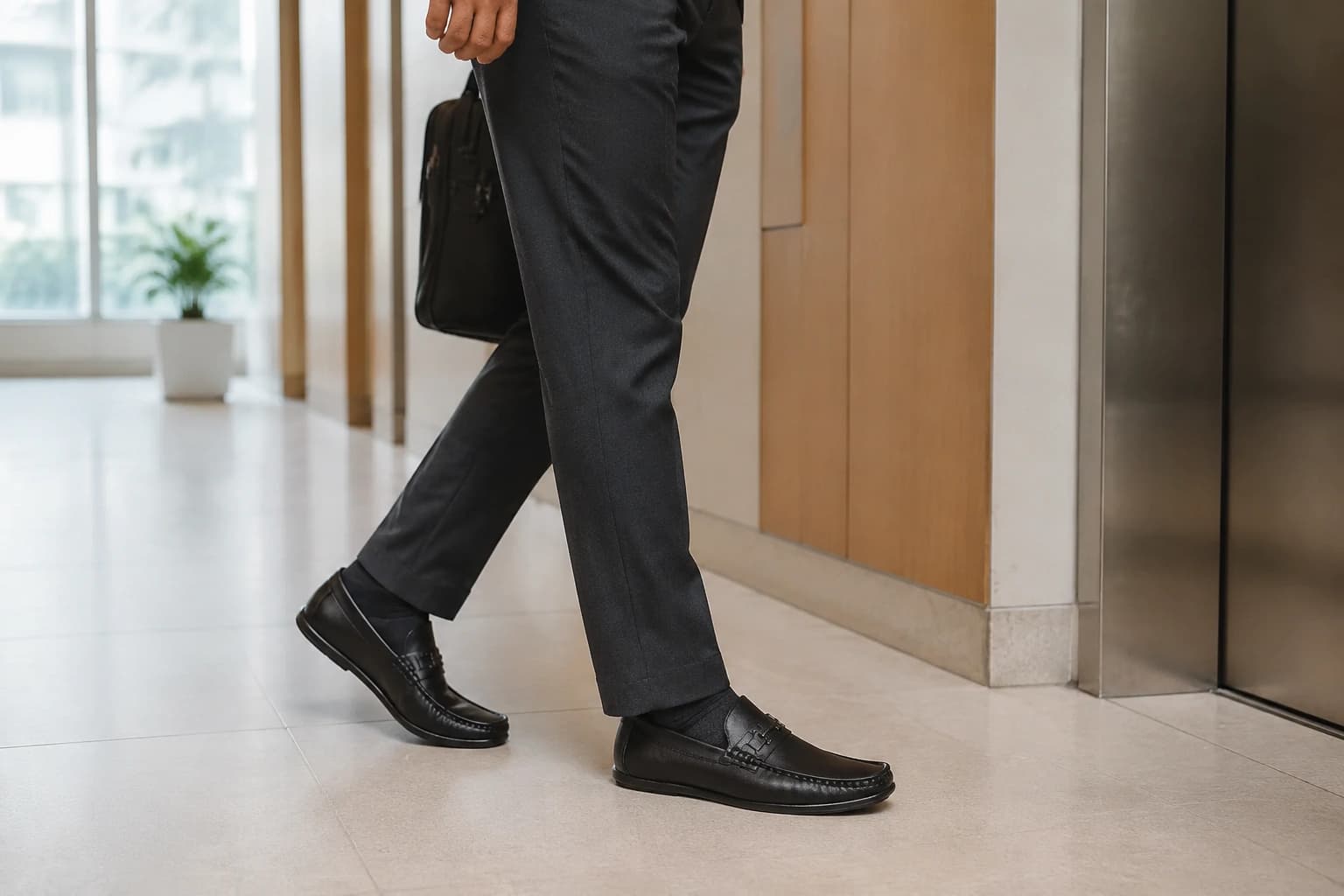
How to Choose Comfortable Formal Shoes for Long Office Hours
Introduction
Comfortable formal shoes for men should support the realities of a working day: commuting, standing, stairs, meetings and several hours at a desk. A polished upper matters, but comfort depends on fit, interior construction and how the sole behaves in motion. Lakhani’s formal shoes for men can be reviewed alongside loafers and other options within the company’s professional footwear range.
Balance Office Appearance With Daily Wear
Begin with the dress code. Traditional corporate environments may expect classic black lace-ups, while business-casual offices may allow brown shoes or streamlined slip-ons. Next, estimate the time spent walking and standing. A shoe worn only for an evening event is assessed differently from one used five days a week. The Formal and Institutional collection provides options for professional, school and polished everyday settings.
Features That Influence All-Day Comfort
Correct toe shape: The toe box should suit the width and shape of the wearer’s forefoot without compressing the toes. A pointed appearance should never come at the cost of painful pressure. Compare this feature with the expected duration, surface and pace of the routine. A useful specification should solve a real wear requirement and remain understandable to the buyer. Note where the footwear will spend most of its time and whether conditions change between the beginning and end of the day.
Secure fastening: Laces allow adjustment across the instep and can accommodate small changes in foot volume during the day. Slip-on styles must hold the heel and upper correctly from the beginning. Test the feature in motion whenever a product trial is available. A photograph or quick hand test cannot show how the complete shoe will feel during repeated steps. Pay attention to small changes in pressure, stability and foot position instead of judging comfort from softness alone.
Interior feel: Check for rough seams, hard edges or lining folds that may rub during repeated steps. Comfort should be assessed with the socks normally worn to work. Material, fit and construction should work together. One impressive component cannot correct a shoe that is unstable, poorly sized or unsuitable for the intended environment. Compare the complete pair across realistic movements and avoid isolating one technical term from the rest of the design.
Sole flexibility: The sole should permit natural forefoot movement while retaining enough structure for a polished shoe. Walk and turn rather than testing flexibility only by bending the shoe in your hands. Assess the feature against the most demanding regular use rather than an occasional ideal scenario. This keeps the decision practical and reduces reliance on unnecessary extras. If the activity involves a specialised hazard or sport, confirm whether general footwear is truly appropriate before proceeding.
Heel stability: A secure rear fit helps prevent rubbing and keeps the foot positioned during commuting and office movement. Excessive heel lift is not corrected simply by tightening the front laces. Review the current product specification and compare it with personal or workplace requirements. Performance can vary by model, size, surface, maintenance and the way footwear is used. Recheck the feature after fitting because a specification cannot compensate for a pair that moves incorrectly on the foot.
Choosing for Different Uses
Traditional office wear: Black lace-up shoes generally provide the most conventional appearance with charcoal, navy and black trousers. Plan around frequency, duration and the surfaces encountered. The right pair should remain appropriate through the normal routine rather than only during a brief try-on. Comfort and hold should stay predictable as the wearer becomes more active.
Business-casual work: Brown formal shoes or men’s loafers can work with chinos, tailored trousers and less rigid dress codes. Think through the whole day, including commuting, standing and changes between indoor and outdoor areas. Mixed environments can alter which features deserve priority. Clothing requirements may also influence the final balance of function and appearance.
Meetings and formal occasions: Choose a clean, well-maintained pair that coordinates with the belt and remains comfortable during standing or travel. When one pair must serve several situations, choose for the primary use first and confirm that the secondary uses do not demand a different category of footwear. This avoids expecting a casual design to perform a specialist job.
Try Formal Shoes at the Right Time
Try office shoes later in the day if possible, because feet can become slightly fuller after hours of activity. Wear work socks, lace both shoes and walk on a clean surface. The toes need natural space, the sides should not pinch and the heel should not repeatedly lift. Pay attention to pressure across the instep while standing and when the forefoot bends.
Try both feet while standing and walk on a clean surface before deciding. One foot may be slightly larger than the other, and sock thickness can change the feel of the same size. The toes should have natural room, the heel should remain reasonably secure and the upper should not create sharp pressure. Avoid buying an uncomfortable pair on the assumption that every material will stretch substantially with wear.
Common Buying Mistakes to Avoid
Buying a narrow style for appearance: A shoe that compresses the forefoot is unlikely to become suitable through routine wear.
Ignoring commute requirements: Long station walks and stairs may make fit and sole stability as important as office appearance.
Wearing the same pair every day: Rotation gives footwear time to dry and can reduce persistent moisture and odour.
Delaying basic maintenance: Dust, worn laces and scuffed uppers reduce the professional effect even when the clothing is well chosen.
Care and Maintenance
Wipe dust after each wear and clean the upper with products appropriate to its actual material. Loosen laces before removing the shoes instead of forcing the heel out. Let the pair air between wears and use shape-supporting inserts when helpful. Replace worn laces and inspect the sole before important meetings so small maintenance issues do not become visible distractions.
Remove loose dust and surface debris after use, then follow a cleaning method suitable for the upper and sole material. Allow damp footwear to dry naturally in a ventilated place. Strong direct heat, open flames and aggressive chemicals can affect shape, finish or bonding. Inspect soles, straps, laces and fastenings regularly, and replace footwear when wear begins to affect fit, grip, protection or stability.
Explore Relevant Lakhani Footwear
Explore Lakhani formal shoes for office and occasion wear for a conventional professional look. Compare loafers for men when lace-free convenience and business-casual versatility are more important. Bond casual slip-on shoes offer a more relaxed alternative for informal workplaces and everyday outings.
Conclusion
Comfortable formal shoes for men should look appropriate while supporting real working hours. Prioritise toe room, heel security, adjustable fit and a sole that feels stable in motion. Match the style to the dress code, rotate and maintain the pair, and do not accept pain as a normal part of professional footwear.
Frequently Asked Questions
Q1. Which colour formal shoes are most versatile for office wear?
Black is widely used for traditional office dress. Brown can work well with navy, beige, khaki and selected business-casual outfits.
Q2. Are loafers suitable for long office hours?
They can be, provided the heel and instep fit securely. Because loafers lack laces, correct sizing is especially important.
Q3. Should formal shoes feel tight when new?
They should feel secure but not painful. Do not depend on major stretching to correct toe, width or instep pressure.
Q4. What socks should be worn with formal shoes?
Use the sock thickness intended for work during the fitting. Dress socks and thicker everyday socks can change how the same size feels.
Q5. How can office shoes be kept fresh?
Allow them to air after wear, rotate pairs when possible, keep interiors dry and clean the upper and outsole regularly.